

Home › Forums › Poultry Diseases, Diagnosis, Prophylaxis, and Therapeutics › BROODER PNEUMONIA
-
BROODER PNEUMONIA
Posted by Sharath R on February 27, 2025 at 10:08 amTreatment protocol for brooder pneumonia
Hamza Muhammad replied 1 year, 3 months ago 7 Members · 6 Replies -
6 Replies
-

Brooder pneumonia, also known as aspergillosis, is a fungal disease in poultry that usually affects the lungs. There is no effective treatment for brooder pneumonia in poultry. However, you can try these mitigation strategies:
Remove contaminated material: Remove contaminated bedding, feed, and litter
Improve ventilation: Increase air exchange rates in the area
Clean and disinfect: Clean and disinfect contaminated surfaces with fungicidal disinfectants
Prevent reexposure: Remove birds from contaminated environments
Store feed properly: Store feed in clean, dry containers and discard uneaten food
Signs of brooder pneumonia:
Respiratory distress, such as gasping and dyspnea
Central nervous dysfunction, such as tremors, torticollis, and ataxia
Somnolence (sleepiness)
Inappetence
Emaciation (extreme thinness)
Treatment for aspergillosis in humans:
Voriconazole (Vfend) is an effective antifungal drug for treating invasive aspergillosis pneumonia
Amphotericin B is another option for treating aspergillosis
All antifungal drugs can have serious side effects, including kidney and liver damageBrooder pneumonia, also known as aspergillosis, is a fungal disease in poultry that usually affects the lungs. There is no effective treatment for brooder pneumonia in poultry. However, you can try these mitigation strategies:
Remove contaminated material: Remove contaminated bedding, feed, and litter
Improve ventilation: Increase air exchange rates in the area
Clean and disinfect: Clean and disinfect contaminated surfaces with fungicidal disinfectants
Prevent reexposure: Remove birds from contaminated environments
Store feed properly: Store feed in clean, dry containers and discard uneaten food
Signs of brooder pneumonia:
Respiratory distress, such as gasping and dyspnea
Central nervous dysfunction, such as tremors, torticollis, and ataxia
Somnolence (sleepiness)
Inappetence
Emaciation (extreme thinness)
Treatment for aspergillosis in humans:
Voriconazole (Vfend) is an effective antifungal drug for treating invasive aspergillosis pneumonia
Amphotericin B is another option for treating aspergillosis
All antifungal drugs can have serious side effects, including kidney and liver damage -

Brooder pneumonia, often caused by bacterial infections or environmental factors, can significantly impact the health of young chicks. Here’s a general treatment protocol to manage brooder pneumonia effectively:
Treatment Protocol for Brooder Pneumonia
1. Diagnosis- Clinical Signs: Observe for symptoms such as coughing, nasal discharge, lethargy, reduced feed intake, and poor growth.
- Veterinary Consultation: Confirm diagnosis through veterinary assessment and possibly diagnostic tests (e.g., necropsy, culture).
2. Environmental Management
- Temperature Control: Ensure appropriate brooder temperatures (usually 90-95°F in the first week, gradually decreasing).
- Ventilation: Improve air circulation to reduce humidity and ammonia buildup, which can exacerbate respiratory issues.
- Cleanliness: Regularly clean and disinfect the brooder area to minimize pathogens.
3. Medication
- Antibiotics: Administer appropriate antibiotics based on veterinarian recommendations. Common choices may include:
- Oxytetracycline
- Tylosin
- Florfenicol
- Supportive Treatments: Consider administering anti-inflammatory medications to reduce respiratory distress.
4. Nutritional Support
- Balanced Diet: Ensure chicks receive a high-quality starter feed that meets their nutritional needs.
- Electrolytes: Provide electrolyte solutions to help reduce stress and improve hydration.
5. Isolation of Affected Birds
- Separate sick chicks from healthy ones to prevent the spread of infection.
6. Monitoring and Follow-Up
- Regularly monitor the health of the flock and adjust treatment as necessary.
- Keep records of antibiotic use and outcomes to inform future management decisions.
7. Preventive Measures
- Vaccination: Ensure proper vaccination protocols are followed to protect against respiratory pathogens.
- Biosecurity: Implement strict biosecurity measures to minimize the risk of introducing pathogens.
Conclusion
Effective management of brooder pneumonia requires a comprehensive approach involving environmental control, appropriate medication, nutritional support, and preventive measures. Always consult with a veterinarian for tailored treatment plans and to address specific flock health concerns.Brooder pneumonia, often caused by bacterial infections or environmental factors, can significantly impact the health of young chicks. Here’s a general treatment protocol to manage brooder pneumonia effectively:
### Treatment Protocol for Brooder Pneumonia
#### 1. **Diagnosis**
– **Clinical Signs:** Observe for symptoms such as coughing, nasal discharge, lethargy, reduced feed intake, and poor growth.
– **Veterinary Consultation:** Confirm diagnosis through veterinary assessment and possibly diagnostic tests (e.g., necropsy, culture).#### 2. **Environmental Management**
– **Temperature Control:** Ensure appropriate brooder temperatures (usually 90-95°F in the first week, gradually decreasing).
– **Ventilation:** Improve air circulation to reduce humidity and ammonia buildup, which can exacerbate respiratory issues.
– **Cleanliness:** Regularly clean and disinfect the brooder area to minimize pathogens.#### 3. **Medication**
– **Antibiotics:** Administer appropriate antibiotics based on veterinarian recommendations. Common choices may include:
– **Oxytetracycline**
– **Tylosin**
– **Florfenicol**
– **Supportive Treatments:** Consider administering anti-inflammatory medications to reduce respiratory distress.#### 4. **Nutritional Support**
– **Balanced Diet:** Ensure chicks receive a high-quality starter feed that meets their nutritional needs.
– **Electrolytes:** Provide electrolyte solutions to help reduce stress and improve hydration.#### 5. **Isolation of Affected Birds**
– Separate sick chicks from healthy ones to prevent the spread of infection.#### 6. **Monitoring and Follow-Up**
– Regularly monitor the health of the flock and adjust treatment as necessary.
– Keep records of antibiotic use and outcomes to inform future management decisions.#### 7. **Preventive Measures**
– **Vaccination:** Ensure proper vaccination protocols are followed to protect against respiratory pathogens.
– **Biosecurity:** Implement strict biosecurity measures to minimize the risk of introducing pathogens.### Conclusion
Effective management of brooder pneumonia requires a comprehensive approach involving environmental control, appropriate medication, nutritional support, and preventive measures. Always consult with a veterinarian for tailored treatment plans and to address specific flock health concerns. -
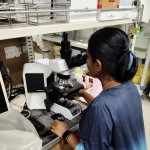
Brooder pneumonia is caused by Aspergillus fungi.
Since it is fungal disease antibiotics are not effective.
Antifungal treatment, supportive care, improving ventilation, clean litter are important
-

Brooder pneumonia also known as aspergillosis.Commonly affects young chicks.Clinical signs include: respiratory distress (dyspnea and gasping), central nervous dysfunction (tremors, ataxia, and torticollis), somnolence (sleepy), inappetence, and emaciation (very thin). Conjunctivitis, high mortality, and cloudy eyes can be seen.Signs include respiratory distress (dyspnea and gasping), central nervous dysfunction (tremors, ataxia, and torticollis), somnolence (sleepy), inappetence, and emaciation (very thin). Conjunctivitis, high mortality, and cloudy eyes can be seen.
Prevention and control:Using dry litters, isolated affected chicks, regular fumigation.
-

Brooder pneumonia, also known as aspergillosis, is a fungal respiratory disease in poultry caused by Aspergillus spp., primarily Aspergillus fumigatus. It affects chicks in the brooder stage and can cause significant mortality if not managed properly. Below is the recommended treatment and management protocol:
1. Immediate Actions
Remove affected birds: Isolate sick birds to prevent further spread.
Improve ventilation: Ensure proper airflow in the brooder house to reduce humidity.
Change litter and bedding: Remove contaminated litter and bedding to prevent fungal spread.
2. Antifungal Treatment
Amphotericin B (Severe cases): 1-2 mg/kg IV or IM (not commonly used due to cost and difficulty).
Itraconazole (Oral antifungal): 10 mg/kg body weight for 7–14 days.
Nystatin (For feed or water): 100,000–200,000 IU/kg in feed for 7–10 days.
Copper sulfate (Water treatment): 1 g per 2 liters of drinking water for 3–5 days.
3. Supportive Therapy
Electrolytes & vitamins: Add Vitamin A, E, and Selenium to water or feed to boost immunity.
Antibiotics (For secondary infections): Use broad-spectrum antibiotics like Tylosin, Enrofloxacin, or Oxytetracycline to prevent bacterial complications.
-

Brooder pneumonia, or aspergillosis, in poultry is a fungal disease with no effective treatment, so the focus is on prevention and controlling the spread. This involves removing affected birds, improving ventilation, cleaning contaminated areas, and avoiding moldy feed and litter.
Log in to reply.