

Home › Forums › Poultry disease management and control › Poultry
-
Posted by Bello Bashir Bello on July 4, 2025 at 6:49 pm
What are the effects of Necrotic Enteritis in chicken
Hope Iloka replied 10 months, 4 weeks ago 17 Members · 18 Replies -
18 Replies
-

High morbidity rate percentage.
High mortality rate if not checked or control early.
Poor feeds digestion and absorption.
Poor feeds conversion ratio.
Poor growth rate in growing pullets and Broilers.
Poor egg production in layers.
High cost of treatment of infected shed.
-
-

good biosecurity measures should be put in place and preventive measures
-
Bio security is the way to go as prevention is better than cure
-
-

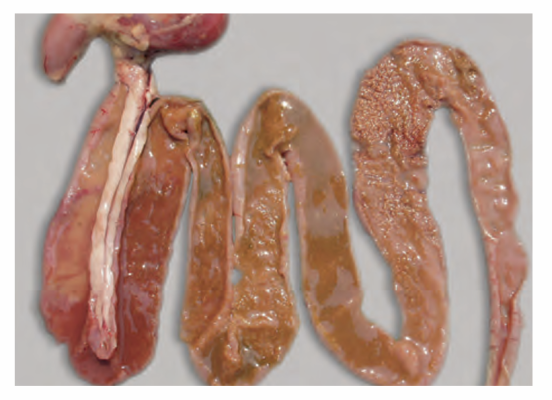
The effects of Necrotic Enteritis (NE) in chickens primarily involve acute gastrointestinal damage caused by the bacterium Clostridium perfringens (types A and C). The disease mainly affects young broiler chickens (2-5 weeks old). In clinical manifestation here is severe depression, ruffled feathers, diarrhoea (often orange-coloured, frothy, sometimes blood-tinged), dehydration, and sudden increase in mortality which can be very high (up to 50% in affected animals). In acute cases, chickens may die rapidly without much warning. Often seen with coccidiosis (caused by Eimeria species) which damages the intestinal lining and promotes C. perfringens overgrowth, worsening NE. Mycotoxins in feed and immunosuppression also predispose birds to NE.

-

Necrotic Enteritis is a serious disease in poultry caused by Clostridium perfringens. It damages the intestines, leading to poor nutrient absorption, weight loss, ruffled feathers, depression, diarrhea, and sometimes sudden death. It can also increase feed conversion ratio and cause major economic losses if not quickly managed.
-

Necrotic enteritis in chickens is a serious intestinal disease caused primarily by <em data-start=”83″ data-end=”108″>Clostridium perfringens, leading to significant health and economic losses. It damages the intestinal lining, resulting in poor nutrient absorption, reduced weight gain and a sharp decline in feed efficiency. Affected birds may show symptoms like depression, ruffled feathers, diarrhea and sudden death in severe cases. In layers, it can cause a drop in egg production.
-
Necrotic enteritis is a bacterial disease that causes significant economic losses due to reduced performance and increased mortality. The disease is characterized by intestinal damage, leading to poor digestion and absorption of nutrients, resulting in reduced weight gain, increased feed conversion ratio, and increased condemnation rates at processing. In severe cases, NE can cause sudden increases in flock mortality
-

Poor Egg production and quality
Stunted growth
Death
Increased risk for other disease
-
Good responses. What is the window for necrotic enteritis in broilers and in layers?
-

Depression, ruffled feathers, diarrhea, dehydration, and increased mortality.
-

Necrotic enteritis (NE) in chickens, primarily caused by Clostridium perfringens, can significantly impact their health and productivity. It manifests as a sudden increase in mortality, often without warning, especially in broiler flocks around 2-5 weeks of age. Other effects include depression, ruffled feathers, diarrhea, dehydration, decreased appetite, and a drop in overall performance due to impaired nutrient digestion and absorption.
-

Reduced growth rate in broilers and reduced egg production in layers
Increased veterinary bill which affects profit
Poor feed conversion ratio(FCR) occasioned by compromised gut




Log in to reply.